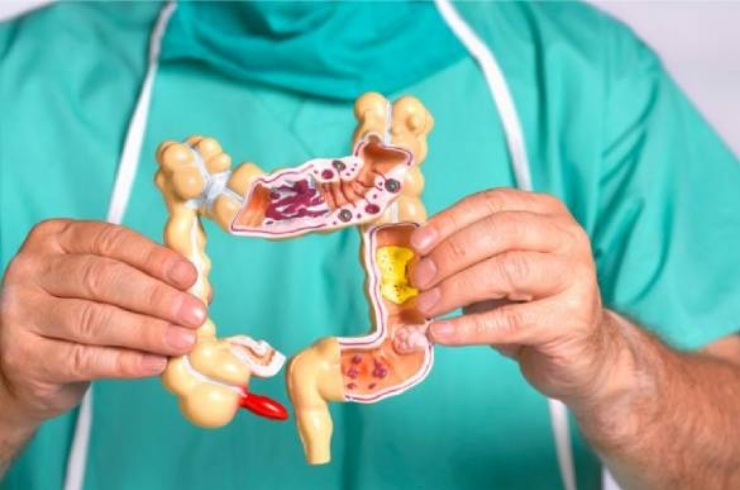
A diagnostic procedure to visualize the large intestine and rectum, used to detect polyps, bleeding, or early signs of colorectal cancer.

A diagnostic procedure to examine the esophagus, stomach, and upper intestine, helping detect ulcers, inflammation, and early digestive disorders.
A diagnostic procedure to visualize the large intestine and rectum, used to detect polyps, bleeding, or early signs of colorectal cancer.
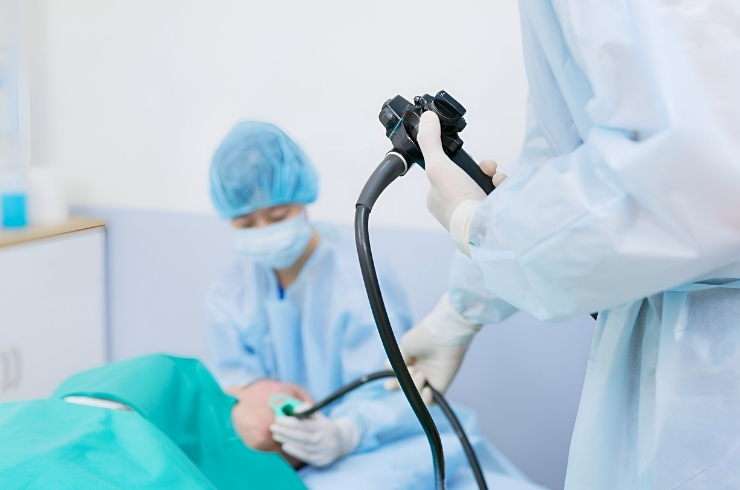
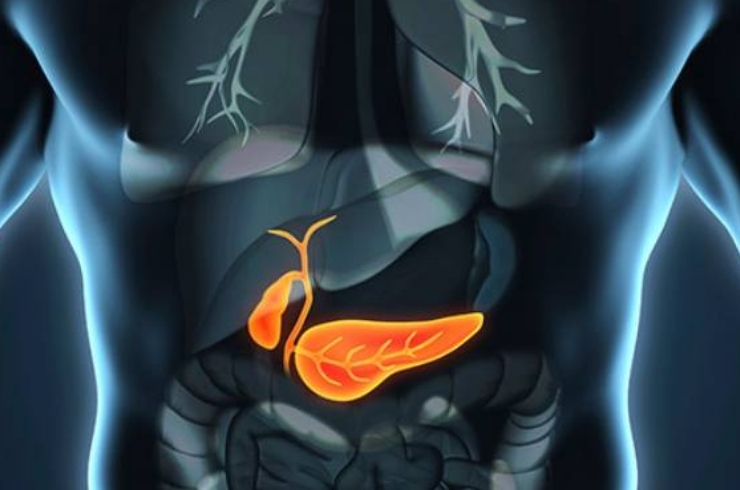
A specialized endoscopic procedure to diagnose and treat bile duct, pancreatic, and gallbladder disorders with precision and minimal discomfort.
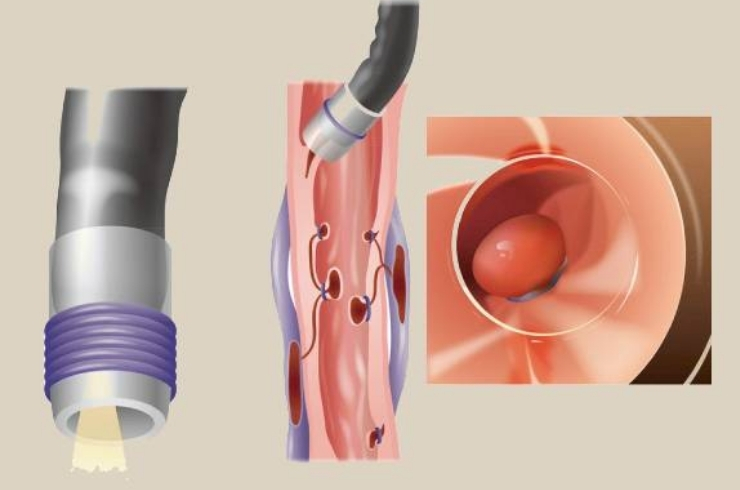
A treatment to control and prevent bleeding from swollen veins in the esophagus caused by severe liver disease or cirrhosis.
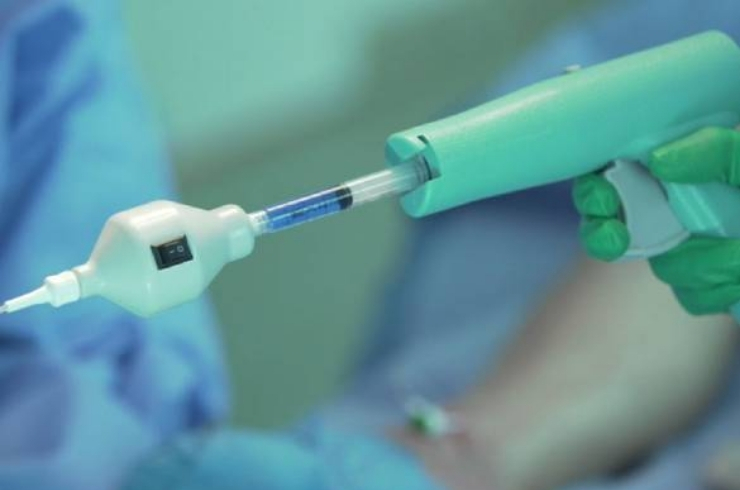
A procedure used to seal bleeding gastric or esophageal varices effectively, preventing life-threatening hemorrhages in liver disease patients.
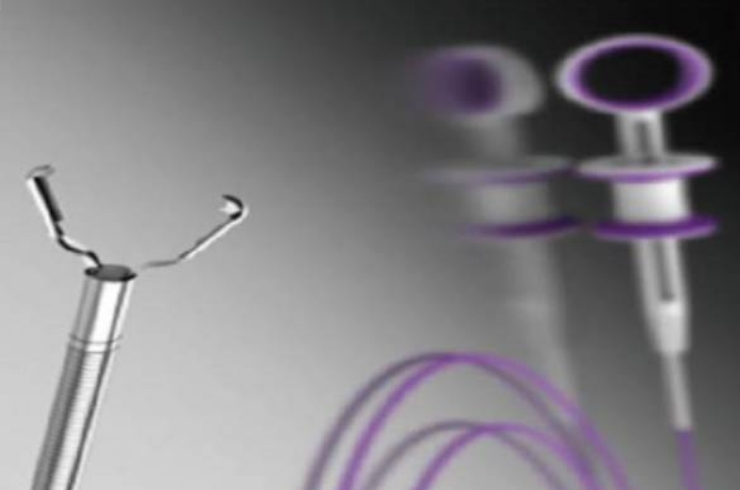
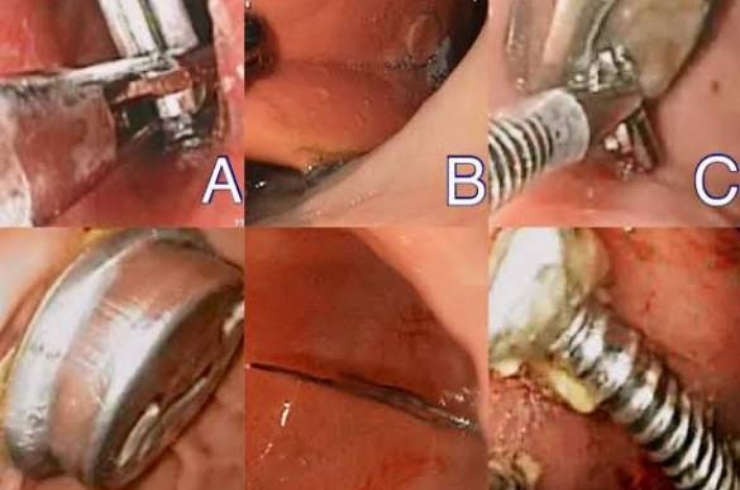
A minimally invasive technique to stop gastrointestinal bleeding by placing small clips on bleeding vessels during endoscopy.
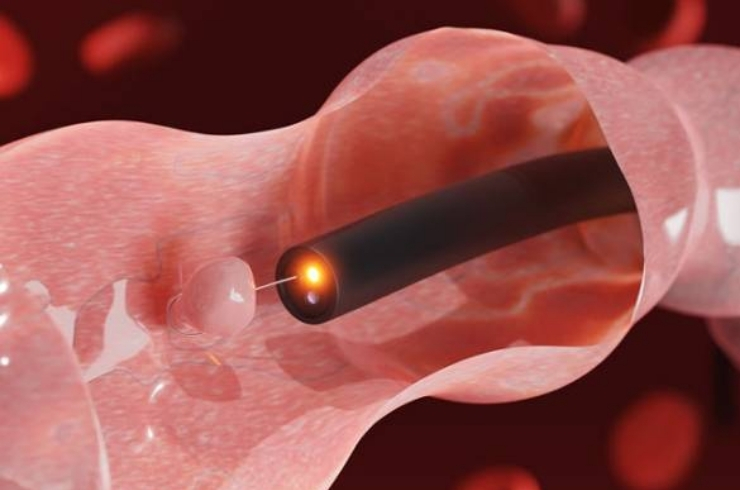
Safe removal of colon or stomach polyps using an endoscope to prevent cancerous growth and maintain intestinal health.
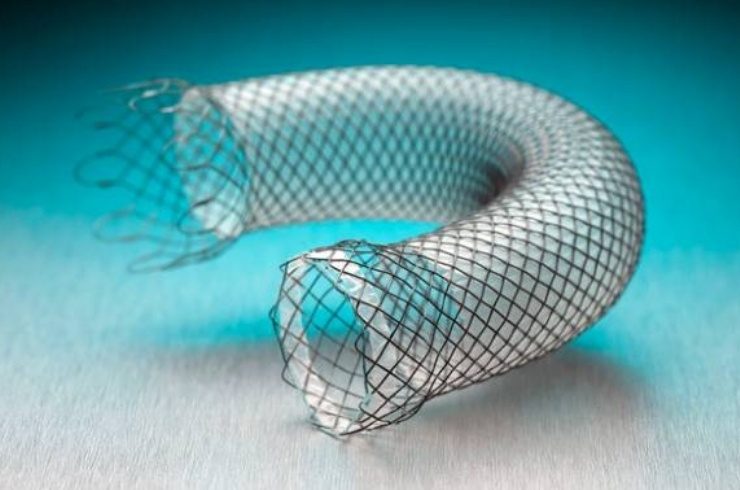
Placement of a stent in the esophagus to relieve blockage or narrowing, improving swallowing and patient comfort.
Endoscopic removal of swallowed foreign objects from the digestive tract safely and efficiently without the need for surgery.
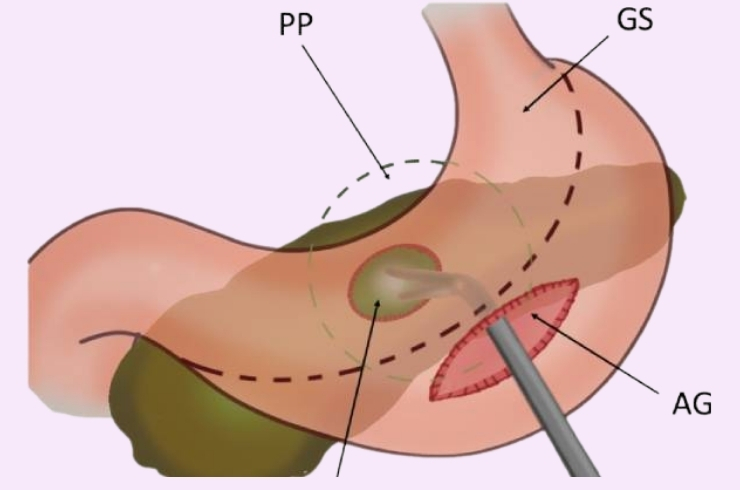
A procedure that drains pancreatic cysts or pseudocysts into the stomach using endoscopic ultrasound for faster recovery and relief.
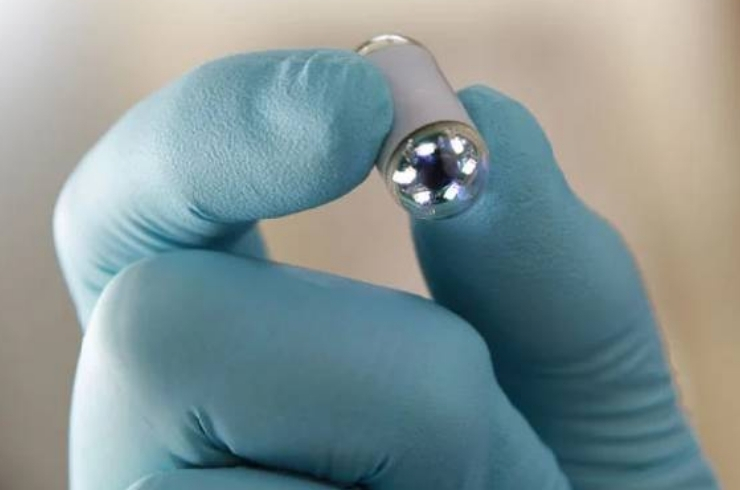
A painless diagnostic test where a small capsule camera captures images of the small intestine to detect hidden abnormalities.
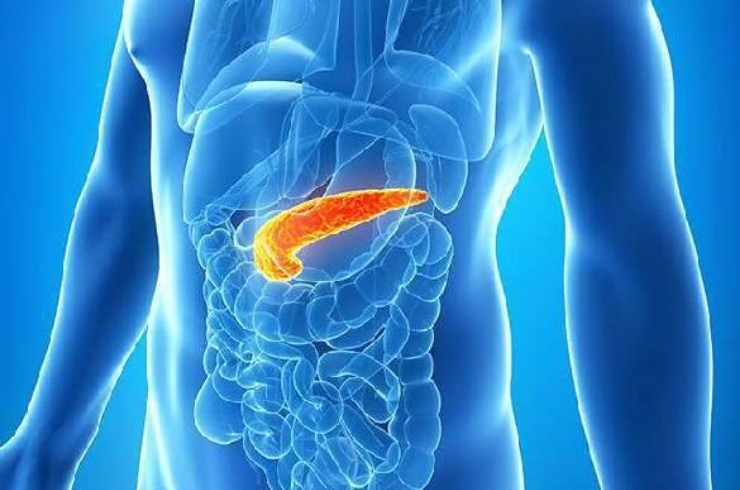
Comprehensive diagnosis and treatment for pancreatitis, pancreatic cysts, and tumors with advanced endoscopic and imaging techniques.