
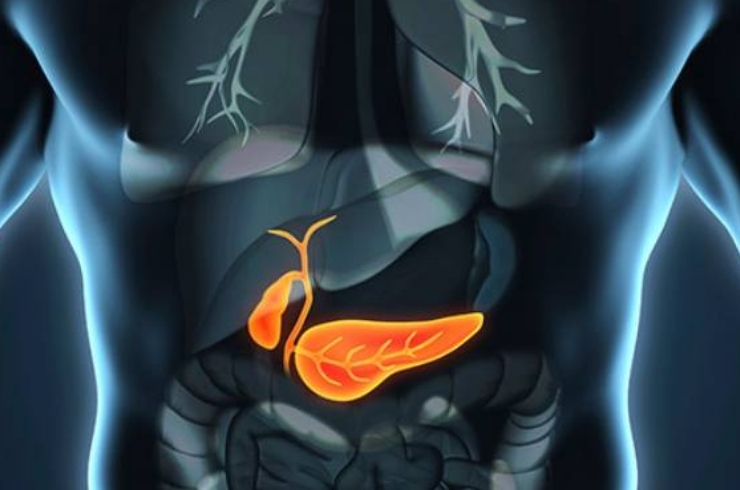
ERCP (Endoscopic Retrograde Cholangiopancreatography) is a special procedure that helps doctors diagnose and treat problems in the bile ducts and pancreatic ducts—the tubes that carry essential digestive fluids from your liver and pancreas to your small intestine. At Abhiman Gastro Superspeciality Hospital, Miraj, Dr. Abhiman Pawar, Consultant Gastroenterologist and Interventional Endoscopist, offers expert ERCP procedures using advanced endoscopic and imaging technology for safe and effective treatment.
During ERCP, a flexible tube with a tiny camera, called an endoscope, is gently passed through the mouth into the stomach and small intestine. Using X-ray guidance, your doctor can see the bile and pancreatic ducts clearly and fix any blockages or narrow areas. Think of ERCP as a “pipe repair” for your digestive system—it helps restore normal flow of bile and pancreatic juices.
Doctors recommend ERCP to diagnose or treat problems that affect the liver, gallbladder, bile ducts, or pancreas, such as:
Gallstones blocking the bile duct
Infections in the bile or pancreatic ducts
Acute or chronic pancreatitis
Narrowing (strictures) or blockages of ducts
Pancreatic pseudocysts
Tumors or cancers of the pancreas or bile ducts
Post-surgical complications involving the ducts
ERCP is often chosen when both diagnosis and treatment can be done in one sitting—making it more efficient than other tests like MRI scans.
ERCP is performed in a hospital or outpatient setup by trained specialists like Dr. Pawar. Here’s what to expect:
You’ll receive a sedative through an IV to help you relax.
Your throat will be numbed with a local anesthetic spray.
The endoscope is passed through your mouth into your small intestine.
The doctor injects a safe dye and uses X-rays to see your bile and pancreatic ducts.
If there’s a blockage, gallstone, or narrowing, the doctor can remove the stone, place a stent, or open the duct during the same session.
The entire procedure usually takes 30–60 minutes and is pain-free due to sedation.
After the procedure, you’ll rest for 1–2 hours as the sedation wears off. In some cases, an overnight hospital stay may be needed for observation.
You may experience:
Mild bloating or nausea for a few hours
A sore throat for a day or two
Temporary tiredness due to sedation
You can return to eating once your swallowing feels normal and are advised to rest for the remainder of the day.
At Abhiman Gastro Superspeciality Hospital, Miraj, patients from Sangli and nearby areas trust Dr. Abhiman Pawar for safe, precise, and compassionate ERCP care. With advanced equipment and personalized attention, the clinic ensures a smooth and comfortable experience from diagnosis to recovery.