
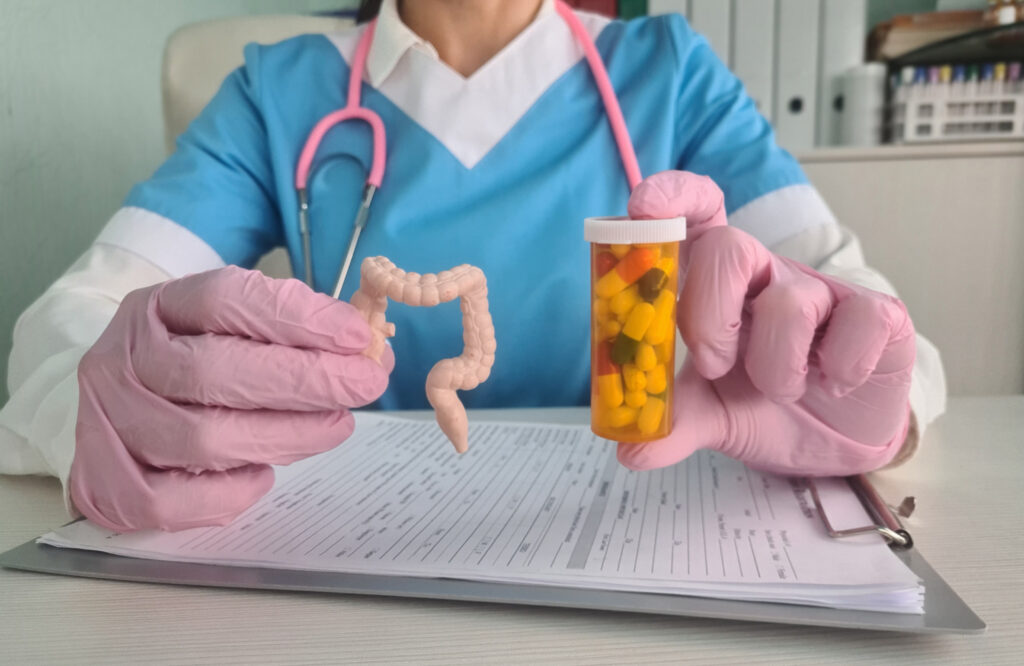
What is Ulcerative Colitis?
Ulcerative Colitis (UC) is a long-term disease that affects the colon, also known as the large intestine. In this condition, the lining of the colon becomes swollen and develops sores, called ulcers. As a result, people with Ulcerative Colitis often have stomach pain and diarrhea. Although the exact cause is not fully understood, UC is considered an autoimmune disease. This means the body’s immune system attacks its own healthy tissue by mistake. Because Ulcerative Colitis is a chronic illness, symptoms can come and go over time. Early diagnosis and treatment can help manage the disease and improve quality of life.
Common Symptoms of Ulcerative Colitis
Symptoms of Ulcerative Colitis can vary from person to person. However, some signs are more common. For example, many people experience:
Sometimes, symptoms are mild. Other times, they can be severe. Because symptoms can change, it is important to track them and talk to your doctor if you notice anything new.
Causes and Risk Factors
Doctors do not know the exact cause of Ulcerative Colitis. However, several factors may play a role. For instance, the immune system may react to harmless bacteria in the colon, causing inflammation. Genetics can also increase your risk. If a close family member has UC, you may be more likely to get it. In addition, environmental factors, such as diet or stress, might trigger symptoms, but they do not cause the disease.
Key risk factors include:
Although anyone can develop UC, knowing your risk can help you watch for symptoms early.
How Ulcerative Colitis is Diagnosed
Doctors use several steps to diagnose Ulcerative Colitis. First, they ask about your symptoms and medical history. Next, they may order tests to rule out other conditions. For example, common tests include:
Because symptoms can be similar to other diseases, these tests help confirm the diagnosis. Early diagnosis can lead to better treatment results.
Treatment Options for Ulcerative Colitis
Treatment for Ulcerative Colitis aims to reduce inflammation and control symptoms. While there is no cure, many people manage their symptoms well. Common treatment options include:
In some cases, surgery may be needed to remove part or all of the colon. However, most people can control their symptoms with medicine and lifestyle changes. Always follow your doctor’s advice for the best results.
Lifestyle Tips for Managing UC
Although medicine is important, lifestyle changes can also help manage Ulcerative Colitis. For example, you can:
Because each person is different, it may take time to find what works best for you. However, these tips can make daily life easier and help prevent flare-ups.
Prevention and When to See a Doctor
Currently, there is no known way to prevent Ulcerative Colitis. However, early treatment can help control symptoms and prevent complications. If you notice ongoing diarrhea, blood in your stool, or unexplained weight loss, see a doctor soon. In addition, if you have a family history of UC, regular check-ups can help catch problems early.
Because Ulcerative Colitis can lead to serious health issues if left untreated, do not ignore symptoms. Prompt care can make a big difference in your health and well-being.
Consult a gastroenterologist DR. ABHIMAN PAWAR for personalized advice on Ulcerative Colitis.