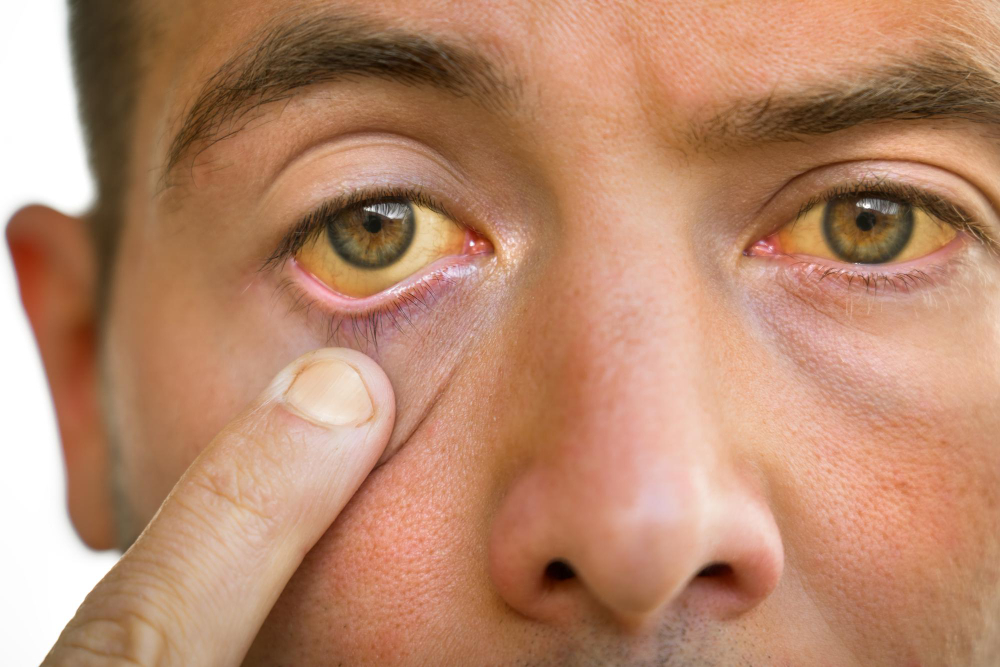
Jaundice is a condition where the skin and eyes turn yellow. This happens when there is too much bilirubin in the blood. Bilirubin is a yellow substance made when red blood cells break down. Understanding the causes of jaundice is important because it can signal problems with the liver, blood, or bile ducts. In this guide, we will explain the main causes of jaundice and why jaundice occurs. Knowing the risk factors for jaundice can help you stay informed and seek help if needed.
Liver Diseases
First, liver diseases are a common cause of jaundice. The liver helps remove bilirubin from the body. When the liver is damaged, it cannot do this well. As a result, bilirubin builds up and causes jaundice. Some main liver diseases that lead to jaundice include:
According to the World Health Organization (WHO), liver diseases are a leading reason why jaundice occurs worldwide.
Hemolysis (Breakdown of Red Blood Cells)
Next, hemolysis means the fast breakdown of red blood cells. When this happens, more bilirubin is made than the liver can handle. Therefore, jaundice can develop. Some causes of hemolysis include:
Because hemolysis increases bilirubin quickly, it is a major risk factor for jaundice, especially in newborns and people with blood disorders.
Bile Duct Obstruction
Sometimes, jaundice occurs when the tubes that carry bile from the liver to the gut get blocked. This is called bile duct obstruction. When bile cannot flow, bilirubin builds up in the blood. Common reasons for bile duct blockage include:
For adults, bile duct obstruction is one of the main causes of jaundice, according to the Centers for Disease Control and Prevention (CDC).
Genetic Disorders
Some people are born with conditions that affect how their bodies handle bilirubin. These genetic disorders can lead to jaundice, even in newborns. Examples include:
Although these conditions are rare, they are important risk factors for jaundice in some families.
Infections
Infections can also cause jaundice. For example, some viruses and bacteria can harm the liver or blood cells. As a result, bilirubin levels rise. Common infections linked to jaundice include:
Because infections can spread easily, they are a key reason why jaundice occurs in many parts of the world.
Medication-Induced Causes
Finally, some medicines can cause jaundice as a side effect. These drugs may harm the liver or cause red blood cells to break down. Examples of medication-induced causes include:
Therefore, always talk to your doctor before starting new medicines or supplements, especially if you have liver problems.
Summary
In summary, the main causes of jaundice include liver diseases, hemolysis, bile duct obstruction, genetic disorders, infections, and certain medicines. Each cause affects how the body handles bilirubin. If you notice signs of jaundice, consult a healthcare professional at Dr. Abhiman Pawar for proper evaluation.