
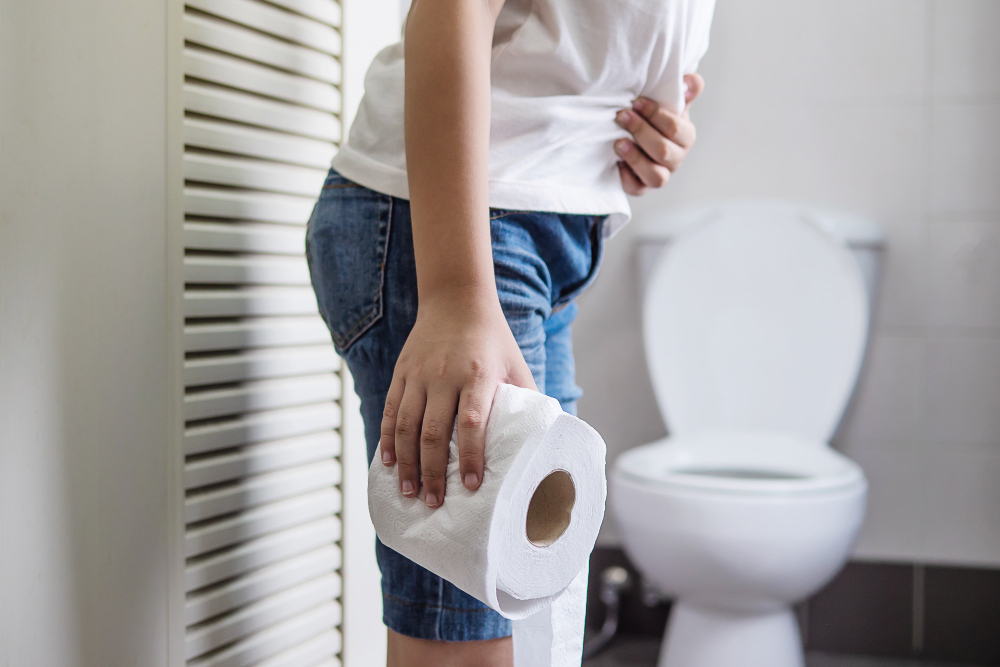
What Is Constipation?
Constipation is a common problem that affects many people. It means having fewer bowel movements than usual or having hard, dry stools that are hard to pass. Often, people feel bloated or uncomfortable. For most, constipation is not serious. However, it can cause discomfort and affect daily life.
Common Symptoms of Constipation
Many people experience different signs of constipation. Some of the most common symptoms include:
Sometimes, constipation can last for a short time. But, if it continues for weeks, it may be called chronic constipation.
Main Causes and Risk Factors
There are many reasons why constipation happens. Some common causes include:
Older adults and women are more likely to have constipation. Also, people with certain health problems may be at higher risk.
How Is Constipation Diagnosed?
Doctors usually ask about your symptoms and health history. They may also do a physical exam. Sometimes, tests are needed to find the cause. For example, your doctor may suggest:
Most of the time, simple questions and a check-up are enough to diagnose constipation.
Treatment Options for Constipation
There are many ways to treat constipation. Often, simple changes can help. For constipation relief, try these steps:
Lifestyle and Diet Changes
Sometimes, these changes are enough. But, if you still have trouble, other treatments may help.
Medications
Always talk to your doctor before using any medicine for constipation. Some medicines can cause side effects if used too often.
Preventing Constipation Naturally
There are simple ways to prevent constipation. For example, you can:
In hot climates or during travel, remember to drink extra water. This helps keep your bowels moving smoothly.
When to See a Doctor
Most cases of constipation are mild and go away with simple changes. However, you should see a doctor if you:
These signs may mean a more serious problem. Early treatment can help prevent complications.
Summary
In summary, constipation is a common issue that can affect anyone. But, with healthy habits and the right treatment, most people find relief. If you have ongoing problems, do not wait. Consult Dr. Abhiman Pawar for personalized advice on managing constipation.