What Are Colon Polyps?
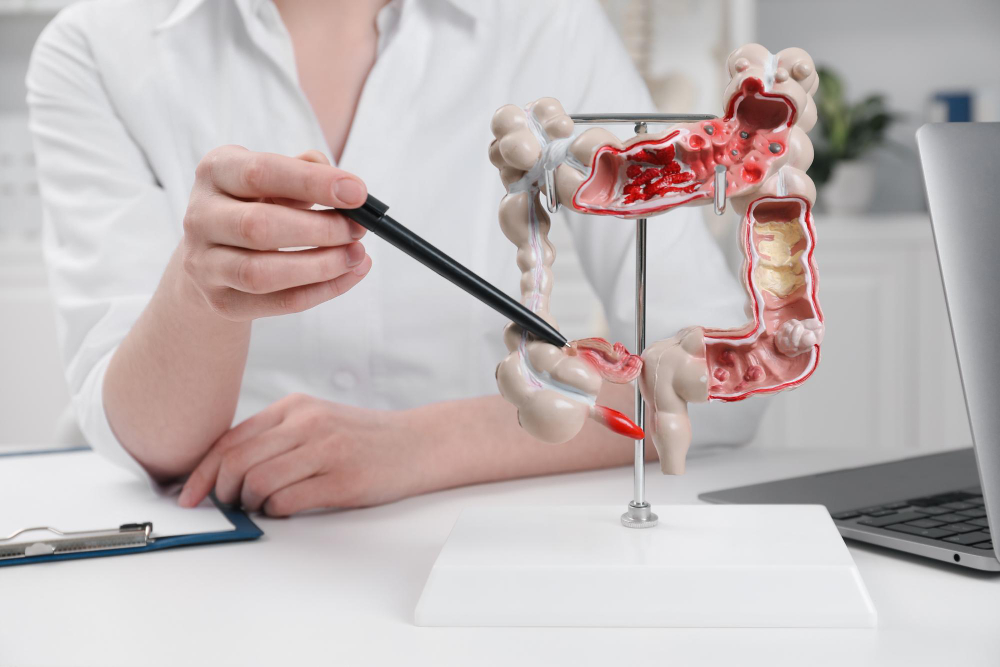
Colon polyps are small growths that form on the lining of the colon. Sometimes, these growths are harmless. However, some can turn into colon cancer over time. Because of this risk, doctors often recommend early removal of colon polyps. The colon is a part of the large intestine. It helps the body absorb water and nutrients. Polyps can vary in size and shape. While most polyps do not cause problems, a few may become dangerous if left untreated.
Common Symptoms of Colon Polyps
In many cases, colon polyps do not cause symptoms. For this reason, regular screening is important. Still, some people may notice signs. For example, you might see:
However, these symptoms can also be caused by other conditions. Therefore, it is important to talk to your doctor if you notice any of these signs. Early detection of colon polyp symptoms can help prevent serious problems later.
Causes and Risk Factors
Several factors can increase your risk of developing colon polyps. For instance, age plays a role. Most people over 50 have a higher chance of getting polyps. In addition, family history matters. If your parents or siblings had polyps or colon cancer, your risk is higher. Other risk factors include:
Because these risks can add up, making healthy choices is important for colon cancer prevention.
How Colon Polyps Are Diagnosed
Doctors use several tests to find colon polyps. Most often, they recommend a colonoscopy screening. During this test, a thin tube with a camera is inserted into the colon. This allows the doctor to see and remove polyps at the same time. Other tests may include:
Because polyps can be silent, regular screening is key. The CDC recommends starting colonoscopy screening at age 45 for most adults. However, those with higher risk may need to start earlier.
Why Early Removal of Colon Polyps Is Important
Early removal of colon polyps can prevent colon cancer. While most polyps are not cancerous, some can change over time. For example, adenomatous polyps have a higher chance of turning into cancer. By removing polyps early, doctors lower your risk of developing serious disease. In fact, studies show that colonoscopy screening and early removal reduce colon cancer rates. Because of this, experts stress the importance of regular screening and quick treatment.
Treatment Options for Colon Polyps
Most colon polyps are removed during a colonoscopy. The doctor uses special tools to take out the polyp safely. Sometimes, larger polyps may need more advanced methods. In rare cases, surgery may be needed if the polyp cannot be removed during a colonoscopy. After removal, the polyp is sent to a lab for testing. This helps the doctor decide if more treatment is needed. Because most polyps are found early, treatment is usually simple and effective.
Preventing Colon Polyps: Lifestyle Tips
Although you cannot change some risk factors, healthy habits can lower your chances of getting colon polyps. For example, you can:
Because prevention is easier than treatment, making these changes can help protect your colon health. Regular check-ups and early removal of colon polyps are also key steps in colon cancer prevention.
Get the right advice for your health needs. Consult DR. ABHIMAN PAWAR