
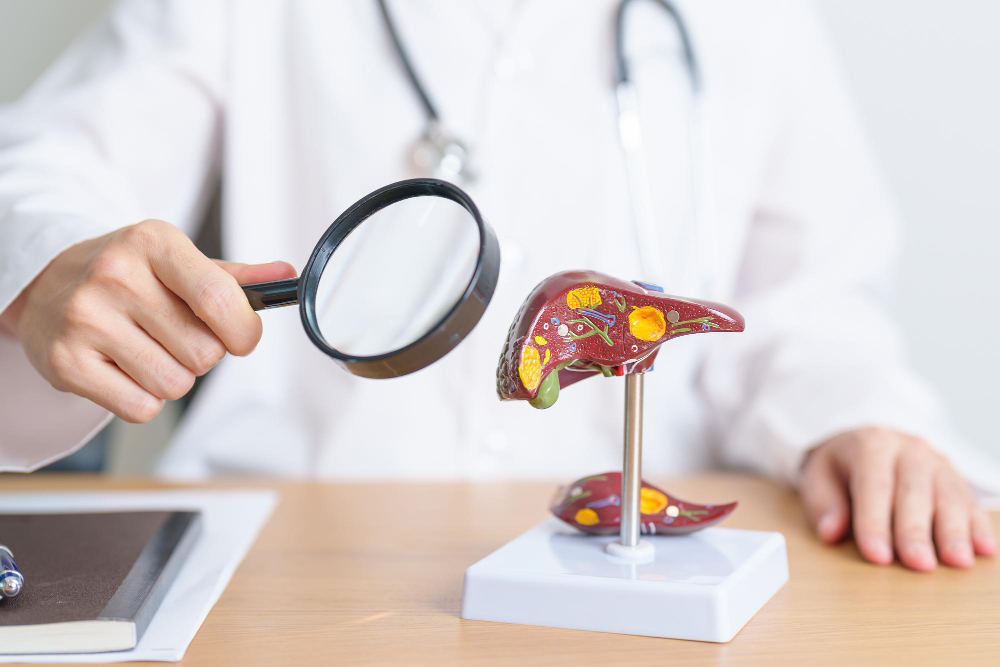
What Is Liver Cirrhosis?
Liver cirrhosis is a condition where healthy liver tissue is replaced by scar tissue. As a result, the liver cannot work as well. Over time, this damage can get worse. However, with proper liver cirrhosis control, you can slow down its progress. The liver helps your body digest food, store energy, and remove toxins. When it is damaged, these functions suffer. Cirrhosis is a serious health problem worldwide.
Early Signs and Symptoms
Often, liver cirrhosis does not show clear signs at first. But, as the disease gets worse, you may notice some symptoms. Early care for liver disease starts with knowing what to look for. Watch for these signs:
If you notice any of these, talk to your doctor. Early action can help with liver cirrhosis management.
Causes and Risk Factors
Many things can cause liver cirrhosis. Some people are at higher risk than others. For example, drinking too much alcohol is a common cause. But, there are other reasons too. Here are some main causes and risk factors:
Knowing your risk can help you take steps to prevent liver cirrhosis progression.
Can Liver Cirrhosis Be Controlled?
Yes, liver cirrhosis control is possible, especially if you catch it early. While scar tissue cannot be removed, you can stop more damage. In many cases, early care for liver disease can slow or even halt the disease. For example, stopping alcohol or treating hepatitis can help. With the right steps, you can improve your quality of life.
Importance of Early Care
Early care matters a lot in liver cirrhosis management. If you act soon, you can prevent serious problems. Early treatment can keep your liver working longer. In addition, it lowers your risk of liver failure. According to the CDC, early care can save lives. So, do not wait for severe symptoms to appear.
Diagnosis and Monitoring
Doctors use several tests to check for liver cirrhosis. First, they may do blood tests to look for liver problems. Next, they might use imaging tests like ultrasound or CT scans. Sometimes, a liver biopsy is needed. Regular check-ups help track your liver’s health. Early diagnosis is key for how to control liver cirrhosis.
Treatment Options
Treatment depends on the cause and stage of cirrhosis. But, there are many ways to manage the disease. Here are some common treatment options:
With early care, many people can avoid serious problems.
Lifestyle Changes and Prevention
Making healthy choices can help with liver cirrhosis management. In fact, lifestyle changes are key to preventing liver cirrhosis progression. Try these tips:
Globally, these steps can lower your risk of liver disease.
When to See a Doctor
If you have risk factors or notice symptoms, see a doctor soon. Early care for liver disease can make a big difference. For example, if you feel tired, lose weight, or see yellow skin, seek help. Regular check-ups are important, especially if you have a family history of liver problems. Do not ignore warning signs.
In summary, liver cirrhosis control is possible with early care and healthy choices. Consult a gastroenterologist DR. ABHIMAN PAWAR for personalized advice on liver cirrhosis control and early care.