
Introduction
Seeing blood in stool can be alarming. It means there is bleeding somewhere in your digestive tract. While sometimes it is minor, it can also signal a serious problem. Because of this, it is important not to ignore blood in stool. Colonoscopy is a key test that helps doctors find the cause. Early detection can make a big difference in treatment and recovery. In this blog, we will explain what blood in stool means, common causes, and why colonoscopy is important for your health.
What Does Blood in Stool Mean?
Blood in stool can appear in different ways. Sometimes, you may see bright red blood on toilet paper or in the toilet bowl. Other times, the stool may look dark or black. This can mean the bleeding is from higher up in the digestive tract. In some cases, you may not see blood at all, but tests can find it. For example, doctors may use a stool test to check for hidden blood. If you notice any of these signs, it is important to pay attention.
Additionally, you may have other symptoms like stomach pain, weight loss, or tiredness. If you notice these, it is wise to talk to a doctor soon.
Common Causes of Blood in Stool
There are many reasons why blood might appear in your stool. Some causes are minor, but others can be serious. Knowing the possible causes can help you understand why a colonoscopy may be needed.
Because some causes are serious, it is important to find out why you have blood in your stool.
Why Colonoscopy Is Important
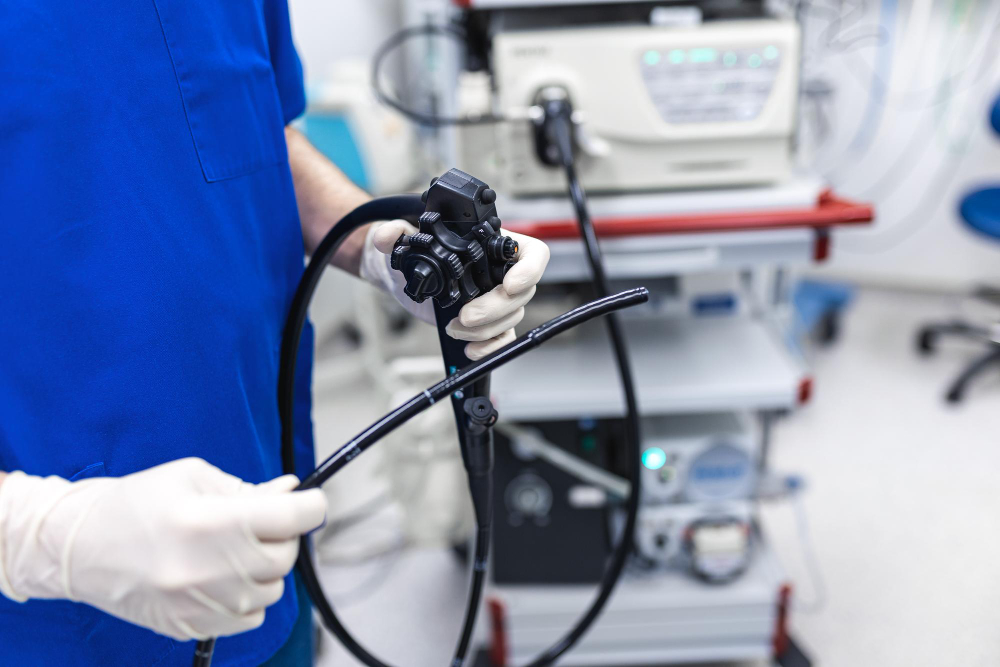
Colonoscopy is a special test that lets doctors look inside your colon and rectum. It is the best way to find the cause of blood in stool. During the test, a thin, flexible tube with a camera is used. This helps doctors see any problems, such as polyps, cancer, or bleeding spots. Early detection is key. For example, finding and removing polyps can prevent colon cancer. Colonoscopy can also help doctors take samples for further testing. Because of these reasons, colonoscopy is important for both diagnosis and prevention.
According to the CDC, regular colonoscopy can lower the risk of dying from colon cancer. This is why doctors often recommend it if you have blood in your stool.
How Is a Colonoscopy Performed?
Before the test, you will need to clean out your colon. This usually means drinking a special liquid the day before. Because your colon needs to be empty, you may also need to avoid certain foods. On the day of the test, you will get medicine to help you relax. The doctor will then gently insert a thin tube into your rectum. The camera sends images to a screen, so the doctor can check for problems. Most people do not feel pain during the test. The whole process usually takes about 30 to 60 minutes. Afterward, you may feel a little sleepy, but you can go home the same day.
It is important to have someone drive you home after the procedure.
When Should You See a Doctor?
If you notice blood in your stool, it is wise to see a doctor soon. Even if the bleeding stops, you should still get checked. Some signs mean you need help right away. For example, if you have heavy bleeding, feel dizzy, or have severe stomach pain, seek care quickly. In addition, if you have a family history of colon cancer, talk to your doctor about screening. Early action can save lives.
Do not wait to get help. Early diagnosis is always better.
Prevention and Healthy Lifestyle Tips
While not all causes of blood in stool can be prevented, you can lower your risk with healthy habits. For instance, eating a balanced diet helps keep your colon healthy. Regular exercise is also important. Here are some tips to support colon health:
Additionally, knowing your family history can help you and your doctor plan the right screening tests.
Conclusion
In summary, blood in stool should never be ignored. It can be a sign of a minor issue or something more serious. Colonoscopy is important for finding the cause, detecting problems early, and preventing colon cancer. If you notice blood in your stool, do not wait. Consult Dr Abhiman Pawar, a gastroenterologist for personalized advice if you notice blood in your stool.