
What is Ulcerative Colitis?
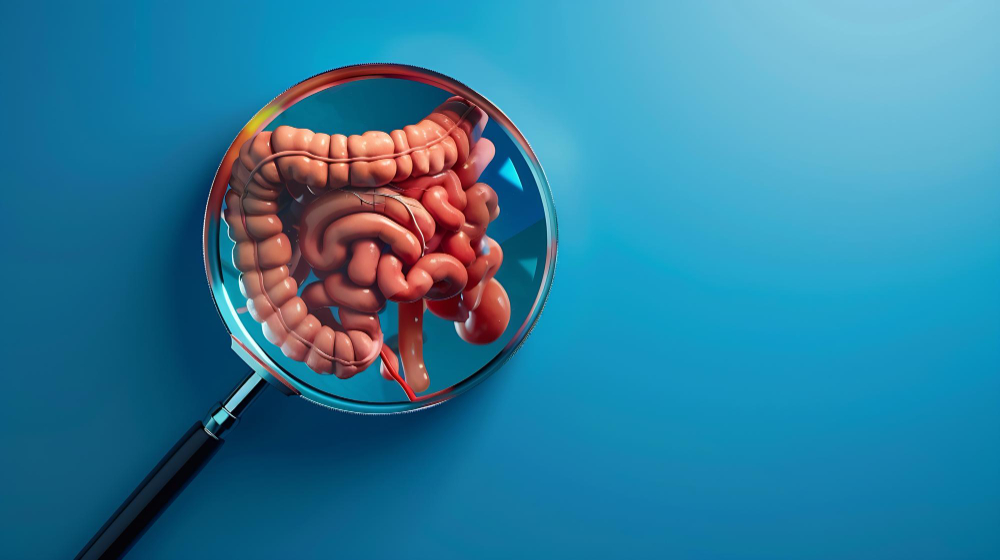
Ulcerative Colitis (UC) is a long-term disease that affects the large intestine, also called the colon. It is a type of inflammatory bowel disease (IBD). In UC, the lining of the colon becomes swollen and develops sores, or ulcers. Because of this, people with UC often have stomach pain and frequent diarrhea. Ulcerative Colitis is important in gastroenterology because it can affect daily life and overall digestive health. Although it is a chronic condition, many people can manage their symptoms with the right care.
Common Symptoms of Ulcerative Colitis
Many people with Ulcerative Colitis notice symptoms that come and go. Sometimes, symptoms are mild. Other times, they can be severe. Early recognition helps in getting timely colitis treatment. Common UC symptoms include:
However, not everyone will have all these symptoms. Sometimes, symptoms may be mild for a long time and then suddenly get worse.
Causes and Risk Factors
Doctors do not know the exact cause of Ulcerative Colitis. However, several factors may increase the risk. For example, the immune system may react too strongly to normal bacteria in the colon. Genetics also play a role, as UC can run in families. In addition, certain factors may raise the risk:
Although stress and diet do not cause UC, they can make symptoms worse. According to the CDC, Ulcerative Colitis affects people worldwide, but it is more common in Western countries.
How Ulcerative Colitis is Diagnosed
Doctors use several steps to diagnose Ulcerative Colitis. First, they ask about symptoms and medical history. Next, they may order tests to rule out other digestive problems. Common tests include:
Early diagnosis helps start treatment quickly. This can improve long-term digestive health and reduce complications.
Treatment Options for Ulcerative Colitis
There are many ways to treat Ulcerative Colitis. The main goal is to reduce swelling in the colon and control symptoms. Treatment options include:
Doctors choose the best treatment based on each person’s needs. According to the World Health Organization, most people can manage UC with medicines and lifestyle changes.
Lifestyle Tips for Managing UC
Living with Ulcerative Colitis can be challenging. However, some lifestyle changes may help control symptoms and improve quality of life. Consider these tips:
Additionally, joining a support group can help you connect with others facing similar challenges.
Preventive Measures and Outlook
While there is no sure way to prevent Ulcerative Colitis, early treatment and healthy habits can reduce flare-ups. For example, taking medicines as prescribed and keeping regular doctor visits are important. Also, avoiding smoking and managing stress may help. With proper care, many people with UC lead active, healthy lives. According to the CDC, ongoing research continues to improve colitis treatment and outcomes.
If you have symptoms or concerns about Ulcerative Colitis, consult a gastroenterologist DR. ABHIMAN PAWAR for personalized advice.