Introduction
Gallstones are small, hard pieces that form in the gallbladder. They can cause pain and other problems. Because gallstone warning signs and symptoms can be easy to miss, it is important to know what to watch for. Early signs of gallstones may help you get treatment sooner. In this blog, you will learn about gallstone symptoms, when to seek help, and how to protect your health.
What Are Gallstones?
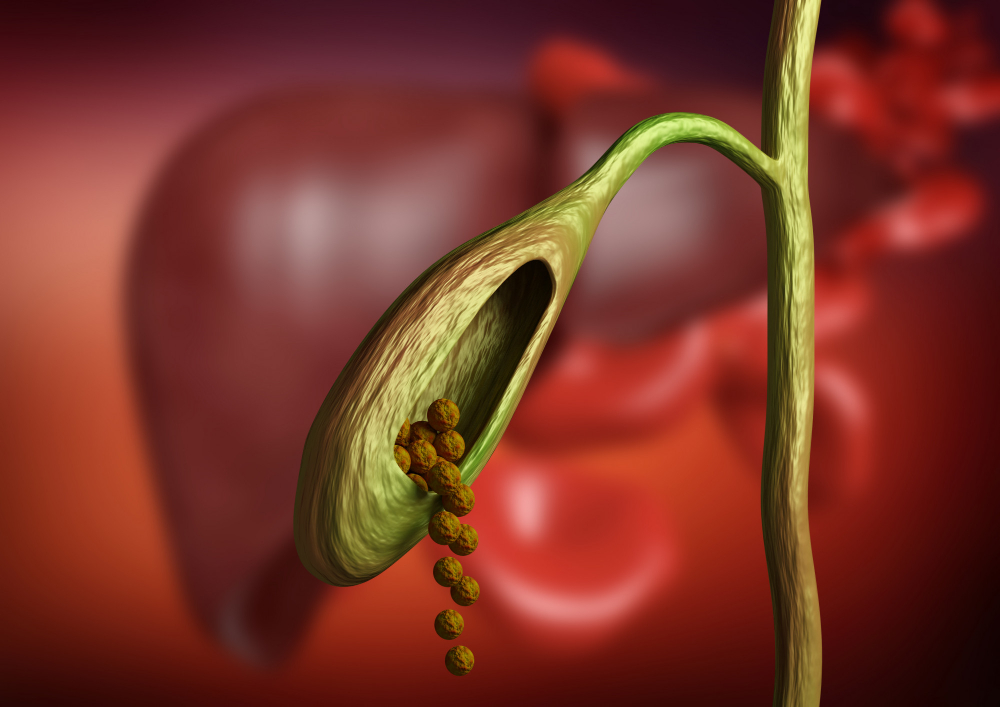
Gallstones are solid lumps that develop in the gallbladder. The gallbladder is a small organ under your liver. It stores bile, which helps digest fat. Sometimes, cholesterol or other substances in bile form stones. These stones can block the flow of bile. As a result, you may feel pain or get other symptoms. According to the CDC, gallstones are a common problem in adults.
Common Warning Signs and Symptoms of Gallstones
Gallstones do not always cause symptoms. However, when they do, you may notice certain signs. Knowing these gallstone warning signs and symptoms can help you act quickly. Here are the most common symptoms:
For example, if you notice pain in your upper right belly after eating, it could be an early sign of gallstones. But not everyone has all these symptoms. Some people may only have mild discomfort.
When to Seek Medical Help
Sometimes, gallstone symptoms can be mild. However, you should not ignore them. Seek medical help if you notice:
In addition, if you have trouble breathing or your pain is sudden and severe, call emergency services. Quick treatment can prevent serious problems. According to the WHO, untreated gallstones can lead to infections or other health risks.
How Are Gallstones Diagnosed?
Doctors use several tests to find out if you have gallstones. First, they will ask about your symptoms and do a physical exam. Next, they may order imaging tests such as:
With these tests, your doctor can confirm if you have gallstones. Sometimes, more tests are needed if the diagnosis is not clear.
Prevention Tips and Lifestyle Guidance
While you cannot always prevent gallstones, healthy habits can lower your risk. Here are some tips:
For example, adding more fiber to your meals can help keep your digestion healthy. Also, drinking enough water each day supports your gallbladder. These steps may help prevent gallstones from forming.
Conclusion
In summary, knowing gallstone warning signs and symptoms can help you get care early. If you notice pain, nausea, or yellowing of your skin, do not wait. Consult Dr. Abhiman Pawar for advice and proper treatment. Early action can protect your health and prevent serious problems.