
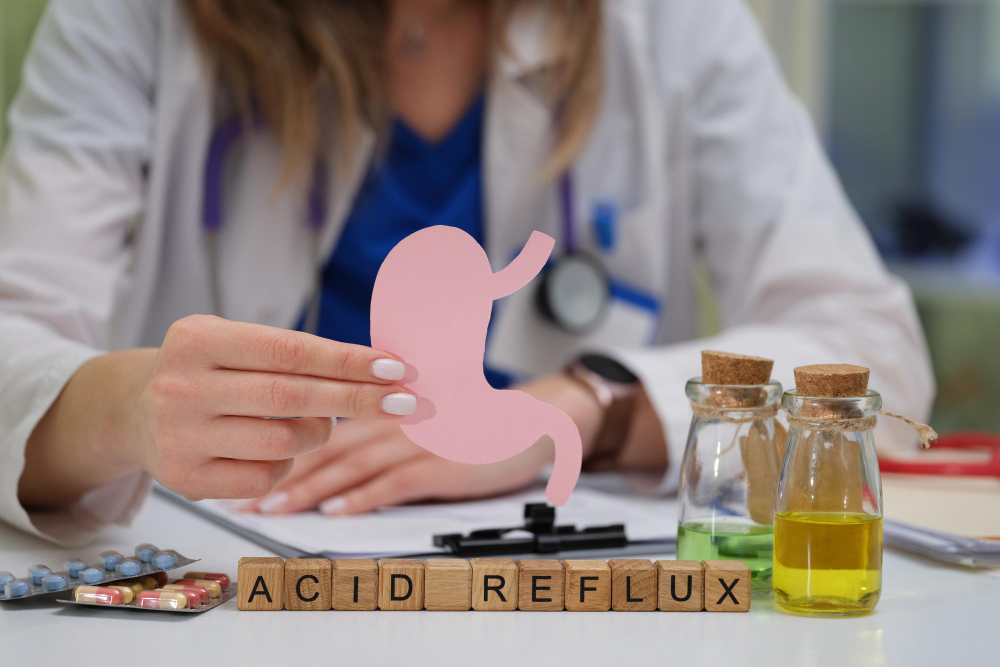
What Is Gastroesophageal Reflux Disease (Acid Reflux)?
Gastroesophageal Reflux Disease, or GERD, is a common digestive problem. Many people call it acid reflux. In GERD, stomach acid flows back into the tube that connects your mouth and stomach. This tube is called the esophagus. As a result, you may feel a burning sensation in your chest, known as heartburn. Sometimes, you may also taste acid in your mouth. GERD can affect people of all ages. However, it is important to know what causes it. This blog will explain the most common causes of GERD and how you can lower your risk.
Why Does GERD Happen? (Overview)
Usually, a ring of muscle at the end of your esophagus keeps stomach acid in place. This muscle is called the lower esophageal sphincter. When it weakens or relaxes at the wrong time, acid can move up. Because of this, you may feel symptoms like heartburn. Over time, repeated acid reflux can damage the lining of your esophagus. Therefore, understanding why GERD happens can help you manage or prevent it.
Most Common Causes of GERD
Many factors can lead to GERD. Some are related to lifestyle, while others are medical conditions. Below are the most common causes of acid reflux:
According to the National Institutes of Health, these causes are common in the United States and worldwide. Therefore, knowing your triggers can help you avoid symptoms.
Risk Factors and Who Is Most at Risk
Some people are more likely to develop GERD. For example, you may be at higher risk if you:
In addition, older adults are more likely to have GERD. However, children and teens can also be affected. If you notice frequent symptoms, it is important to talk to your doctor.
When to See a Doctor
Sometimes, acid reflux is mild and goes away on its own. However, you should see a doctor if you:
These symptoms may mean you have a more serious problem. Therefore, getting medical advice is important. A gastroenterologist can help find the cause and suggest the best treatment for you.
If you frequently experience acid reflux, consult Dr. Abhiman Pawar, a gastroenterologist, for personalized guidance. Early intervention can help prevent complications and enhance your overall digestive health and quality of life.