Understanding Nonalcoholic Fatty Liver Disease (NAFLD)
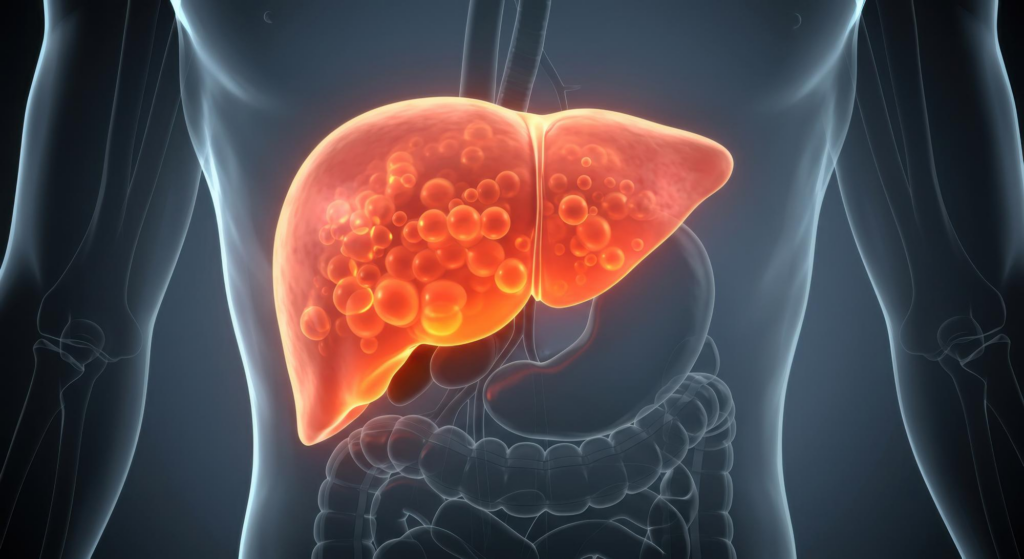
Nonalcoholic fatty liver disease, or NAFLD, is a common liver problem. It happens when extra fat builds up in the liver, but not from drinking alcohol. Because NAFLD often has no symptoms at first, many people do not know they have it. However, if left untreated, it can lead to serious liver damage. Therefore, the prevention of nonalcoholic fatty liver disease is very important for everyone.
Main Causes and Risk Factors
NAFLD can affect anyone, but some people have a higher risk. Knowing these causes and risk factors can help you take action early. For example, people who are overweight or have diabetes are more likely to develop NAFLD. In addition, certain lifestyle habits can raise your risk.
Because these factors are common, it is important to know how to reduce fatty liver risk.
Early Warning Signs and Symptoms
Often, NAFLD does not cause symptoms in the early stages. However, some people may notice mild signs. For instance, you might feel tired or have discomfort in the upper right side of your belly. If the disease gets worse, other symptoms can appear.
Still, many people have no symptoms at all. That is why regular check-ups are important, especially if you have risk factors.
Evidence-Based Prevention Strategies
Thankfully, you can take steps to prevent nonalcoholic fatty liver disease. Simple changes in your daily life can make a big difference. According to the CDC and WHO, healthy habits are key for NAFLD prevention.
Eat a Balanced Diet
Because a healthy diet helps control weight and blood sugar, it lowers your risk.
Stay Active
Regular exercise helps burn fat and keeps your liver healthy.
Manage Your Weight
Because losing even a small amount of weight can reduce liver fat, it is worth the effort.
Adopt Healthy Lifestyle Habits
These NAFLD prevention tips can help you maintain a healthy liver for life.
Tips for Maintaining Liver Health
Besides diet and exercise, there are other ways to protect your liver. For example, always follow directions when taking medicines. In addition, avoid sharing needles or personal items that may carry blood. Because your liver works hard every day, it needs your support.
With these simple steps, you can support a healthy liver lifestyle.
When to Seek Medical Advice
If you have risk factors or notice symptoms, it is wise to talk to your doctor. For example, if you feel tired for no reason or have pain in your upper right belly, do not ignore it. Early testing can help catch problems before they get worse. Moreover, if you have diabetes, high cholesterol, or are overweight, regular liver checks are important.
Conclusion: Take Action for a Healthy Liver
In summary, the prevention of nonalcoholic fatty liver disease is possible with healthy choices. Because your liver is vital, caring for it should be a priority. Start with small changes in your diet and activity. If you have concerns or risk factors, consult Dr. Abhiman Pawar for personalized guidance.