Introduction
Gall stones are small, hard pieces that form in the gallbladder. The gallbladder is a small organ under your liver. It stores bile, a fluid that helps digest fat. Sometimes, substances in bile can harden and form gall stones. These stones can cause pain and other problems. In this blog, you will learn about gall stones, their symptoms, causes, diagnosis, treatment options, and how to prevent gall stones.
What Are Gall Stones?
Gall stones are solid particles that develop in the gallbladder. They can be as small as a grain of sand or as large as a golf ball. Usually, gall stones are made of cholesterol or a substance called bilirubin. Not everyone with gall stones has symptoms. However, some people may feel pain or discomfort if a stone blocks a bile duct.
Symptoms
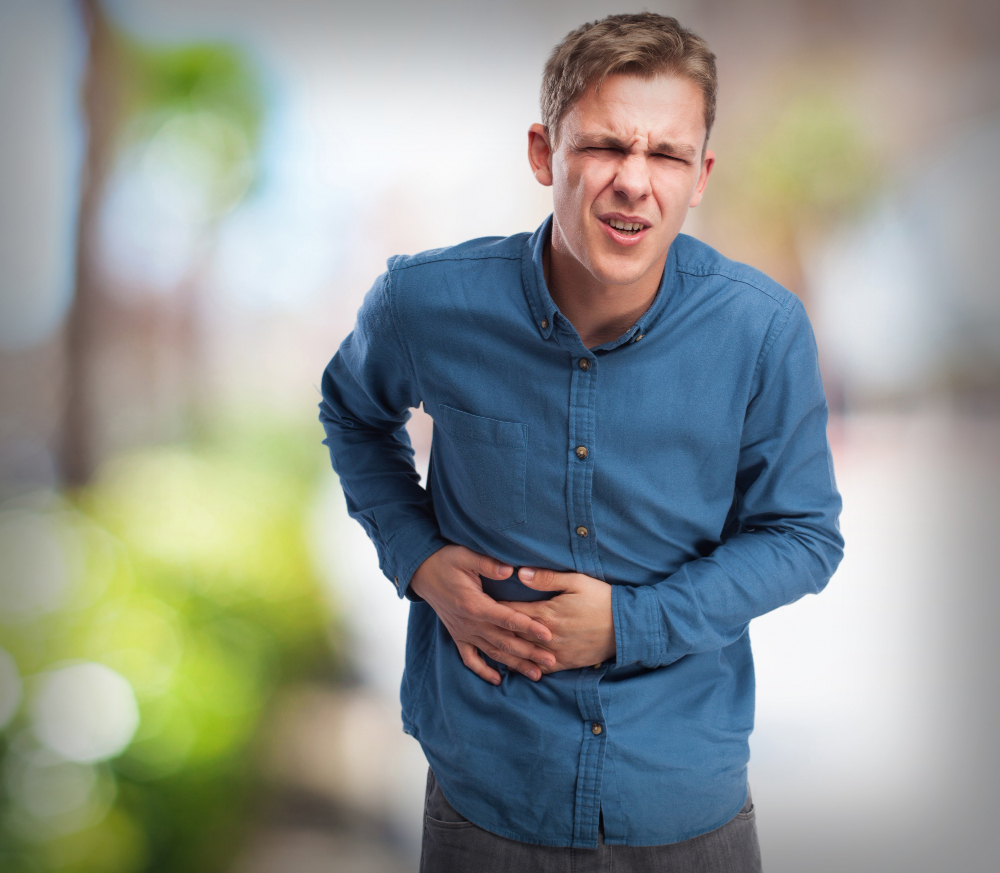
Many people with gall stones do not notice any symptoms. But, when a stone blocks the flow of bile, symptoms can appear. Common gall stone symptoms include:
If you notice these symptoms, especially severe pain or fever, you should seek medical help right away.
Causes and Risk Factors
Gall stones form when the balance of substances in bile changes. For example, too much cholesterol or bilirubin can lead to stones. Several factors can increase your risk of developing gall stones. These include:
Although anyone can get gall stones, these risk factors make them more likely.
Diagnosis
Doctors use several methods for gall stone diagnosis. First, your doctor will ask about your symptoms and medical history. Next, they may perform a physical exam. To confirm the diagnosis, doctors often use imaging tests. These tests include:
With these tests, doctors can find out if you have gall stones and decide on the best treatment.
Treatment Options
Gall stone treatment options depend on your symptoms and the size of the stones. If you have no symptoms, you may not need treatment. However, if you have pain or other problems, your doctor may suggest:
Most people recover well after treatment. Still, it is important to follow your doctor’s advice for the best results.
Prevention Tips
While not all gall stones can be prevented, you can lower your risk. Here are some tips on how to prevent gall stones:
By making these changes, you can help protect your gallbladder health.
When to See a Doctor
If you have sudden or severe pain in your abdomen, you should see a doctor right away. Also, if you notice yellowing of your skin or eyes, fever, or chills, seek medical help. Early treatment can prevent serious problems from gallstones.
In summary, gallstones can cause pain and other health issues. However, with early diagnosis and proper care, most people recover well. For personalized advice, consult Dr. Abhiman Pawar.