
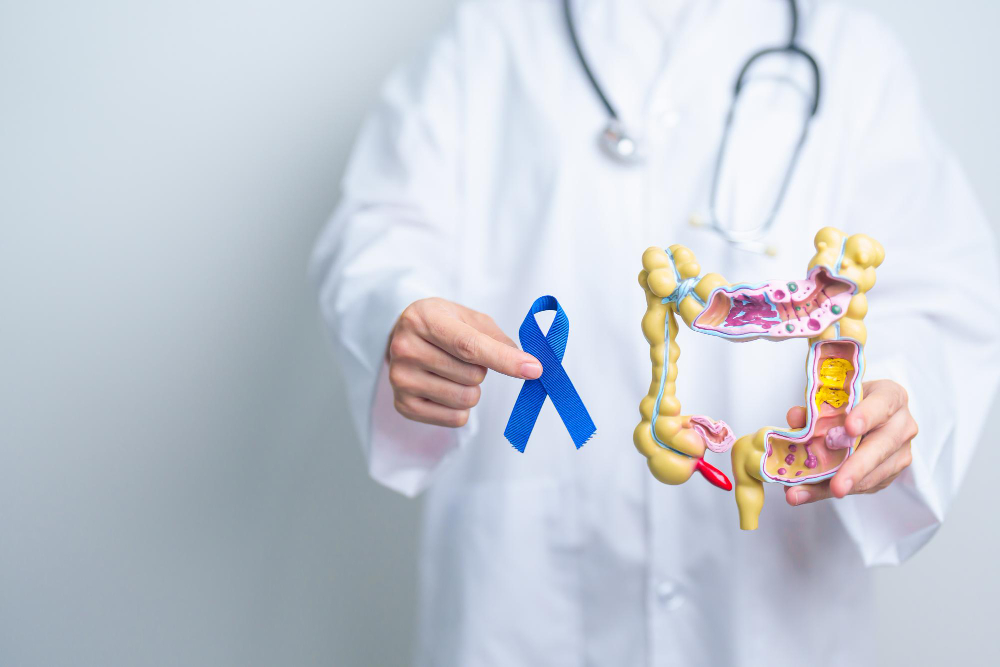
What is Colon Cancer?
Colon cancer is a disease that starts in the large intestine, also called the colon. It happens when cells in the colon grow out of control. As a result, these cells can form a lump called a tumor. Colon cancer is common, but early detection can save lives. According to the CDC, it is one of the leading causes of cancer deaths. However, many people survive when it is found early. Because of this, regular screening is important, especially for adults over 45.
Common Symptoms
Colon cancer symptoms can be mild at first. Still, it is important to watch for warning signs. Early detection often leads to better outcomes. Here are some common symptoms:
If you notice any of these signs, talk to your doctor. Sometimes, these symptoms can be caused by other conditions. Even so, it is best to get checked early.
Causes and Risk Factors
Many factors can increase your risk of colon cancer. Some you can control, while others you cannot. Knowing these risks can help you make healthy choices. Here are some common causes and risk factors:
For example, people with a family history should talk to their doctor about early screening. In addition, making healthy lifestyle changes can lower your risk.
Diagnosis Methods
Doctors use several tests to find out if someone has colon cancer. Early diagnosis often leads to better treatment results. Here are some common ways colon cancer is diagnosed:
Many clinics offer screening for people over 45, or earlier if you have risk factors. If you wonder how colon cancer is diagnosed, ask your doctor about the best test for you.
Treatment Options
Colon cancer treatment options depend on the stage of the disease. Early-stage cancer is often easier to treat. Here are the main treatment choices:
Sometimes, doctors use more than one treatment. For example, surgery may be followed by chemotherapy. Your doctor will explain which options are best for you. In many cities, cancer centers offer advanced treatments and support.
Prevention Tips
Preventing colon cancer is possible for many people. While not all cases can be avoided, you can lower your risk by following these tips:
For instance, starting screening at age 45 can catch problems early. In addition, making small changes in your daily habits can make a big difference.
Lifestyle Guidance for Patients
Living with colon cancer can be challenging. However, many people manage well with the right support. Here are some helpful tips for patients:
Above all, do not hesitate to ask questions. Your healthcare team is there to help you every step of the way.
In summary, colon cancer is a serious but treatable disease. Early detection and healthy habits can make a big difference. Consult Dr. Abhiman Pawar for personalized advice and early screening.